Reverse Shot Revolutions
When it comes to cinematic technological advances, the question is always how we use the tools we've been gifted or cursed with.

Unlike the Bolex, a video camera could record image and sound at the same time. In his previous films, Jonas Mekas had collided past and present through voiceovers recorded likely during the editing process or while looking back at his footage. Now, Mekas could react in real time to what he was shooting.

As with most technical innovations, cinema purists have not all immediately aligned behind the positive potential of the handheld gimbal. After all, great cinema has survived to date without over-stabilizing the image, and very bad cinema is often over reliant on it.
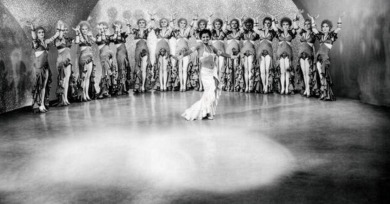
The number in question features a remarkable cinematographic trick, imagining a Harlem nightclub where leggy chorines seamlessly change skin color from white to Black and back again, accompanied by a bluesy torch song played by a Black jazz orchestra.
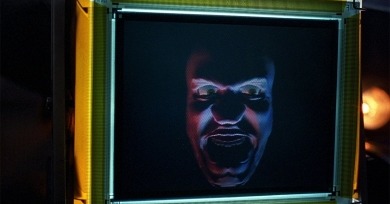
These eyes, the smile, the scowl (all features not then associated with computers) set the stage for the digital human emulation that is now a defining technique of 21st-century Hollywood, from de-aging to the sacrilegious reincarnations of dead actors, and even pervades our quotidian lives.
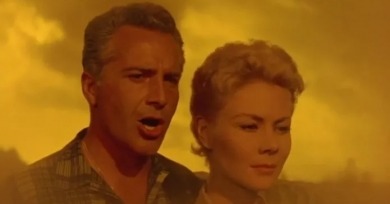
South Pacific’s color treatment is distinctly tactile: the result of hand-painted filters, deployed—sparingly, sometimes chaotically—as a membrane between the camera lens and the musical’s action.

After ten or 15 minutes of rave-rainbowed shapes liquefying into gyrating video frames to the strobing beat of the music, the thought occurs that this may be, for better or worse, the MTV generation’s smartest answer to Paul Sharits.
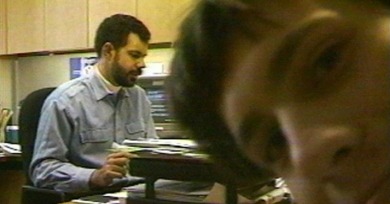
Target would eventually find its way on the Internet, where its charmingly unrefined style helped it fit in with the plethora of amateur video diaries, but it crucially exists within and beyond its particular early-to-mid-’90s moment.
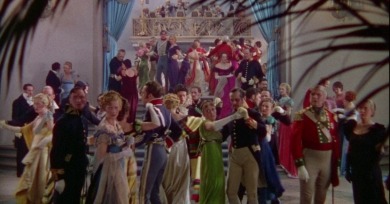
The palette used throughout often reflects the muted shades of English fine china and porcelain popular during the Napoleonic era. Although the bulkiness of the Technicolor camera limited the dynamism that had marked Mamoulian’s previous work, his playfulness with color in Becky Sharp exudes the energy of a kid trying out a new toy.
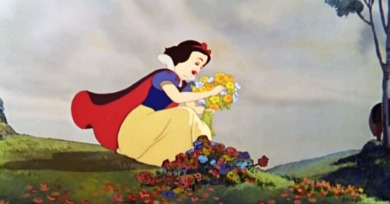
The history of these tools and the concurrent development of new animation techniques demonstrate how closely artistic concerns and technical logistics are married in filmmaking. The multiplane camera is also an effective synecdoche for the system Walt Disney molded his studio into.
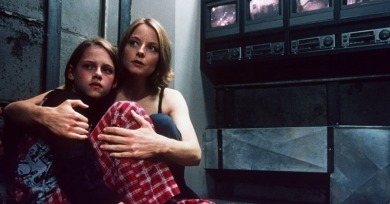
David Fincher’s work, inclusive of his time in television advertising and music videos in the ’80s and ’90s, illustrates a director’s desire at first to uphold and then transcend the strictures of the camera itself.

In the face of constant pro-AI propaganda, it is tempting to fall back on flimsy sentimentality. The romantic critic’s impulse is to wax poetic on some ineffably “human” quality to art.

Harnessing the imperfections in the digital cameras’ image-rendering capabilities and rudimentary audio fidelity, Godard confronts the crisis in neoliberalism, the ascendence of digital cinema, and the extinguished dreams of socialism and celluloid from the previous century.
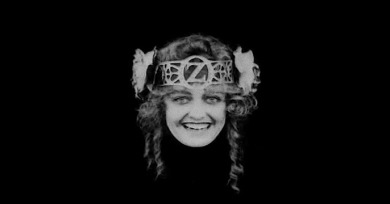
It suggests a unique cinematic aspiration from a time before the film industry dedicated its energies almost entirely to narrative, and when the question of what was to become of cinema was undetermined.

For this new symposium, we asked our contributors to pitch an idea for an essay centered around a film that somehow utilized or enabled a technology (relatively new or more widely available at the time of its making) that was indivisible from the experience, meaning, or aesthetics of the film itself.