Reviews

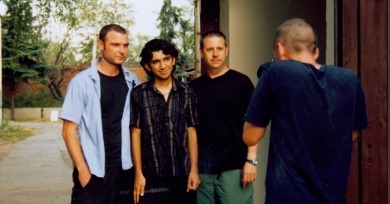
At any given moment, Operation Filmmaker feels both refreshingly linear and enthrallingly multilayered: the subject, like the film, is difficult, charismatic, maddening, repellent, and sympathetic all at once.

Mongol marks a personal first for this reviewer: a bloated epic so boring and unengaging that by its numbing conclusion (the word anticlimactic can only be used for stories that actually build) he was zapped even of the conviction to hate it.
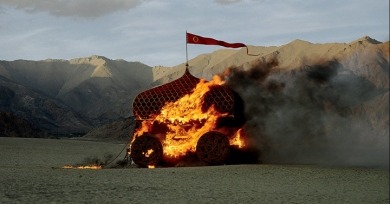
Playwright John Guare must have had Indian director Tarsem Singh (or as he’s often simply known, Tarsem) in mind when he wrote about the increasing exteriorization of the term “imaginative”: “Why has ‘imagination’ become a synonym for style?”
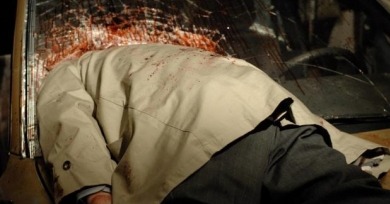
If you've ever yearned to watch (as well as hear and practically feel) Academy Award nominee Stephen Rea writhe gorily in windshield glass for the better part of 85 minutes, Stuck is your movie.
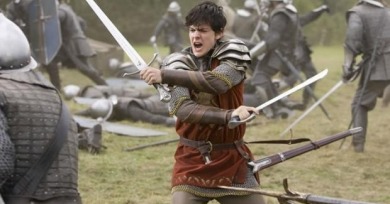
Prince Caspian is all shallow iconography: a parade of portentous images just nondescript enough to have Narnia newbies like myself wondering what exactly the big deal is.

Savage Grace is such a jarring, atonal experience that it doesn’t much help to try and put definitions on it; that might be the point—“perversity,” “incest,” “matricide,” all become mere buzzwords, unrelated incidentals in a vast interiorized conspiracy of psychological damage

Falling somewhere between a specific personal essay and a more vaguely targeted social commentary, Bell’s documentary, a freeform exposé of steroid use in the U.S., is, somewhat inevitably, a product of narcissism and insecurity.

Let the overstuffed The Edge of Heaven be a lesson: Just multiplying and magnifying your obsessions does not make them any more powerful.

As a document of testimonials from those who otherwise dare not speak, and for whom being gay is like being born, inextricably, into the lowest possible caste, A Jihad for Love is invaluable.


Though the film perhaps tries a mite too hard to ingratiate itself to the viewer (rarely does it leave an emotion not underlined), its rhythms are well matched to its two main characters’ restless pursuits for niche fame and artistic fulfillment.

The scaled-down war movies of today offer models of filmmaking opposed to bloated productions of previous eras, even the supposed heyday of post-Vietnam soul-searching. Yet a sad truth remains: to judge by box-office numbers and that vague barometer called the national zeitgeist, audiences don’t care.
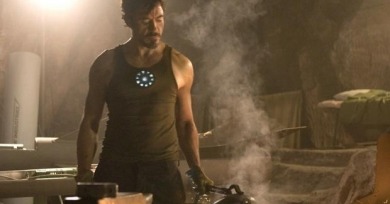
Still, clever and cogent beats idiotic and incoherent, and Iron Man is spryer than the overwhelming majority of films in its budget range. Favreau showed a talent for framing handmade special effects in the enjoyable Jumanji-in-space romp Zathura, and Iron Man’s best moments are similarly low-fi.