Reviews
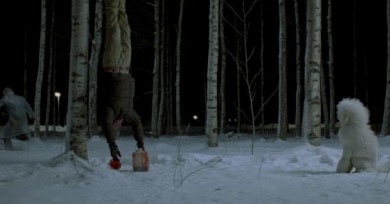
The film dispenses with metaphor in favor of a gritty realism where, far from being exceptional, vampires must struggle along with everyone else in the bleak, near-perpetual darkness of a Swedish winter.
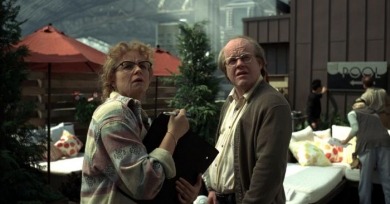
Synecdoche, New York opens with a scene of finely observed domestic squalor. A suburban home rouses itself for the day. A middle-aged man declares “I don’t feel well” before sitting down to breakfast.
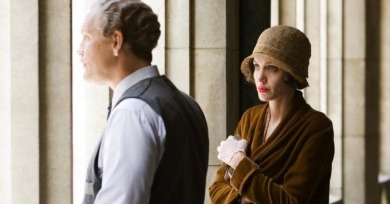
Changeling is a musty lament for something long gone—a lost child perhaps, but more so this sepulchral cinema of quality. Watching it, one can only try to locate whatever semblance of life remains, then tramp the dirt down.
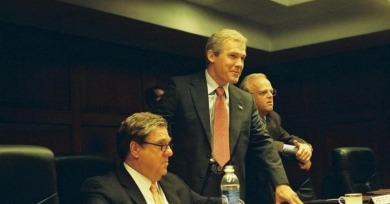
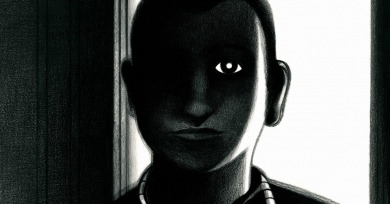
Like any omnibus film, the Christophe Jankovic and Valérie Schermann–produced French collection of creepy, crawly cartoon shorts, Fear(s) of the Dark, succeeds on the strength of its best components.

The best compliment that can be paid The Universe of Keith Haring is that it is as inspiring at the level of a cinematic portrait as its subject was at the level of pure creation.
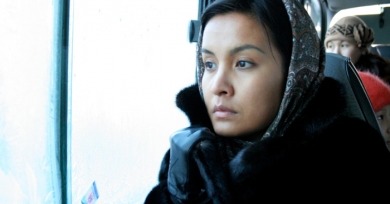
Cinema—its real and ersatz versions—is as much a subject of Chouga as are the tragedies and epiphanies of romantic love. Omirbaev's film is ostensibly an adaptation of Anna Karenina, an efficient reduction of 800-plus pages of text into less than 90 minutes of film.
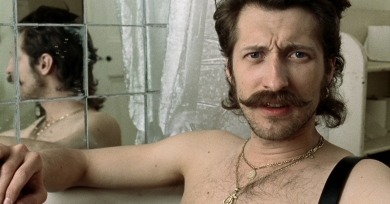
The filmmaker of Filth and Wisdom has a lot to say. She’s got big ideas and some clever ones too, and she’s letting it fly. She’s repulsed and fascinated by hypocrisy in the world, and wants people to just get over themselves, to abandon fear, pride, and learn to fly their freak flag high.

Moments of transcendence are rare in cinema, but when they do come along, you’re left trailing after the filmmaker hoping he can offer more of the same.
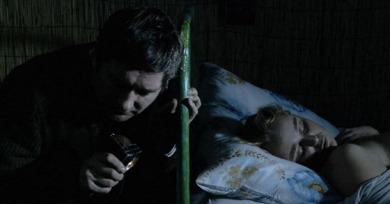
Grey and waterlogged, Jerzy Skolimowski's Four Nights with Anna is something like the Eastern European answer to Rear Window and Chungking Express, a deeply gothic, but no less romantic tale of voyeurism, breaking and entering, and secret love.
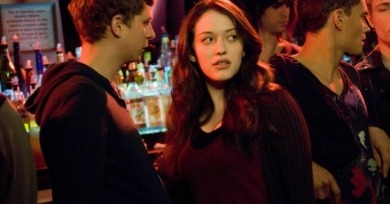
For a movie attempting realism, no shade of nuance is given to the characters: they are either all good or all bad.
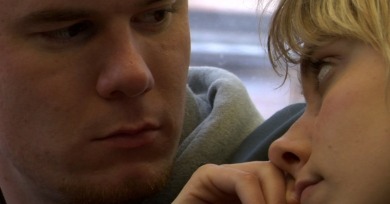
Shot in an unflatteringly fleshy digital video, Nights and Weekends is often uncomfortably close, an inquest into (or even postmortem of) the life of a couple.
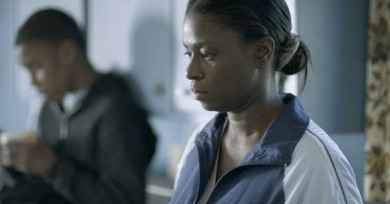
It’s sometimes necessary to discuss a movie without reducing it to a category. Unfortunately, that’s not what critics often do. A film like Lance Hammer’s Ballast deserves to be considered on its own terms, rather than compartmentalized and defined in relation to concurrent film movements.

The rarefied and mostly impenetrable The Northern Land is hardly the first film from 59-year-old Portugese filmmaker João Botelho, but for most of us on these shores it might as well be.