Jeff Reichert
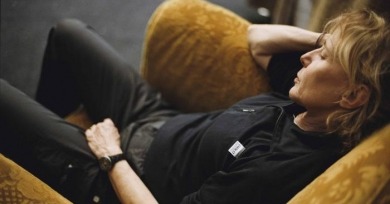
For a filmmaker like Claire Denis, who traffics less in incident than in fleeting instants, less in the familiar comforts of story than in the ever-mounting pleasures of seduction, cinema is marked by slipperiness.

Host Eric Hynes chats with Duck Season and Lake Tahoe director Fernando Eimbcke about the pleasures of sound, static compositions, and black frames while trying to find the perfect shooting location within New York’s Chelsea Piers.
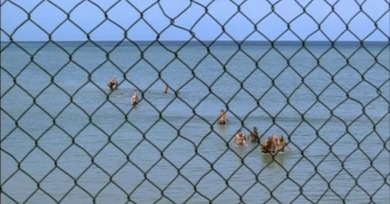
Denis’s narrative doesn’t move forward so much as drift along, punctuated by the semblance of eventfulness that never really coheres in a standard teleological sense.
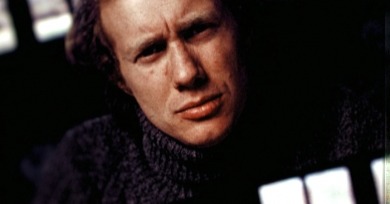
Olch is lucky in that his subject was a talented filmmaker—instead of shaky, unfocused home video footage of the lowest quality, Rogers’s archives include some beautiful imagery.
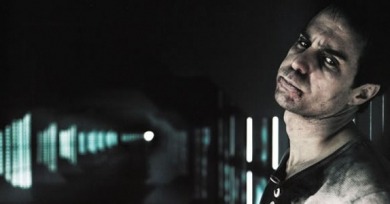
Science-fiction filmmaking built from brains rather than balls is an increasing rarity; finding it hitting screens deep into June is a near impossibility.

Against all the odds facing the indigenous filmmaker, he’s carved out a recognizable worldview and sets of concerns, populated his work with indelible, rounded characters, and worked his way through an emerging individual aesthetic.
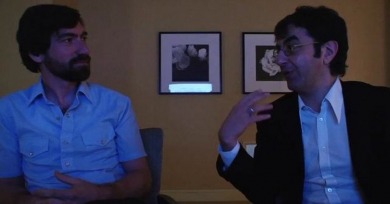
Host Eric Hynes chats with Atom Egoyan (Adoration, The Sweet Hereafter) about watching television, the foresight of Fritz Lang, and the surrealism of the remote control.
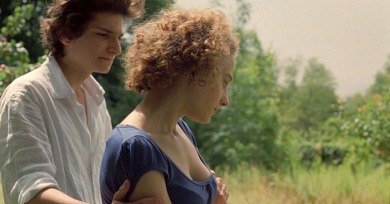
Olivier Assayas has said that his intention with Summer Hours was to return home and make a “French film” in the wake of his globetrotting trilogy of demonlover, Clean, and Boarding Gate.
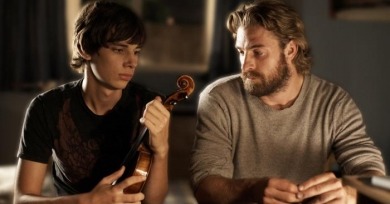
If Atom Egoyan weren’t in such a hurry to cram all sorts of up-to-the-minute gewgaws (vidchats, xenophobia, handheld video recorders, even terror attacks) into the unwieldy, disjointed contraption that is his twelfth feature, he might have turned out a mildly entertaining piss-take on 1940s B-grade family melodrama.
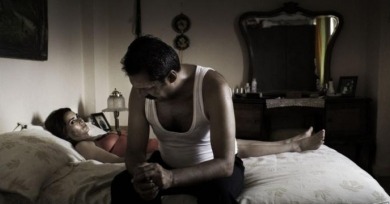
Whether Ceylan speaks of or for Turkey is open for debate, but what’s remarkable about his fifth feature, Three Monkeys, is how he stamps a fairly straightforward genre piece with the marks of his own artistry.
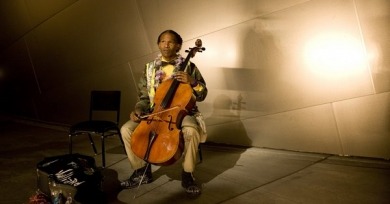
If The Soloist connects with audiences, he’d do well to push the long takes and odd visual tics sprinkled through his first three features as far as they can go. After all, he’s come this far, and Hollywood can always use more true eccentrics.
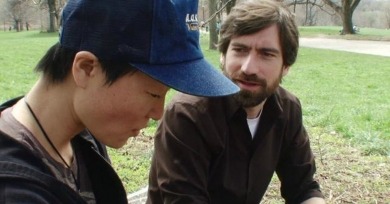
Host Eric Hynes hangs out in Prospect Park with husband/wife filmmaking duo So Yong Kim (Treeless Mountain) and Bradley Rust Gray (The Exploding Girl) and their daughter Sky.
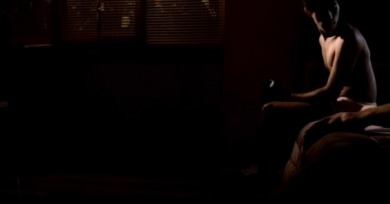
The only true limitation we gave our writers was that their selected films hail from a year no earlier than 2000: this is an investigation into gay representation specifically in the Bush era.
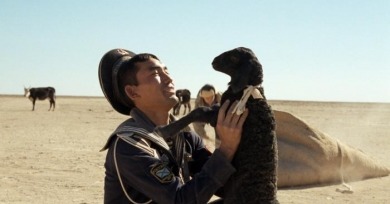
"Using film is also a psychological issue. For the director, and the actors, it creates a different kind of concentration. You understand you have just one attempt to make this."

It’s no surprise that Terence Davies, ever a chronicler of fissures in the monolithic images of societal norms, would find a special kinship across time, nationality, gender, and sexual orientation with Lily Bart.

" A sound can give you the dimensions of a room. It can give you smell, it can give you tension. In some ways sound can travel itself into other areas of our senses, other areas of our psyche that unfortunately cannot be just viewed."
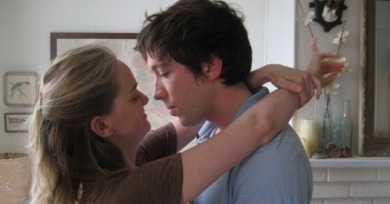
Even if the general level of the production represents a leap, the whole is still marred by a disturbing undercurrent that’s made most of the postgraduate naturalists seem generally insignificant—there’s no danger here, little seems at stake, and there’s hardly a sense of how these lives are impacted by the world at large.
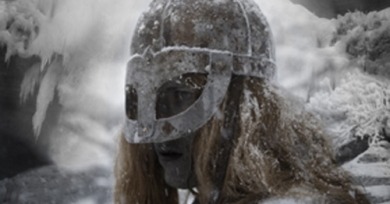
"You can watch a Herzog film or Barry Lyndon and they’re epic in scale but they’re also hilarious and you can tune the humor out or in. The greats have always walked that line."