Jeff Reichert

The consistently elusive nature of Gus Van Sant presents difficulties in trying to locate him within the body of American Independent cinema. He’s generally considered an important figure for the movement, but why, exactly?

Those hoping that I’m Not There, with its splintered Dylans encompassing different portions of the man’s career, is the ur-text that will provide a greatest hits of a life (like a Ray or Walk the Line) will be sorely disappointed with Haynes’s more ambitious project.
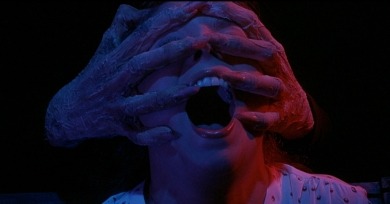
A Few Great Pumpkins
Inferno, Cujo, The Devil Rides Out, Invasion of the Body Snatchers, Paperhouse, Trouble Every Day, The Others, Halloween
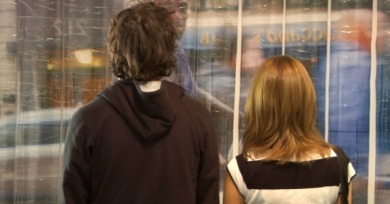
Late one night on a deserted subway platform, a lost Jamie (Erin Fisher), dwarfed by the Tati-like expanse of Brooklyn’s multi-level 7th Avenue F train station, stops the sole nearby traveler, hoodied Charlie (Chris Lankenau) and asks for directions to a local diner.
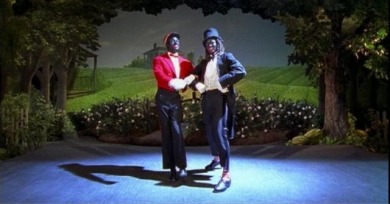
Where before we offered our writers the shots of their choice, here we gave them not only two shots, but the space in-between as well.
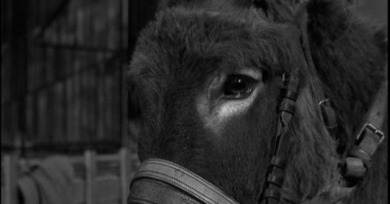
What’s so striking about the Bressonian universe, and probably most responsible for his lasting reputation, are his editing decisions; it’s rare that a shot ends exactly when you might expect it to, and even rarer that what follows provides easy linear causality.
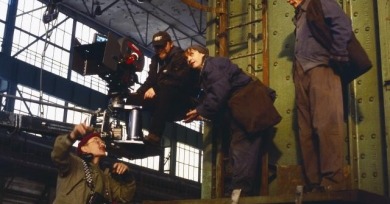
"That is really the message of Strike—we can’t truly influence history with all these ideologies and political structures, but it is very important that every single human behaves in a decent way because the society as a whole becomes more decent."

“It is an innovative digital filmmaking collective financed by IFC to produce ten low-budget digital feature films. InDigEnt is dedicated to the community of filmmakers looking to experiment and expand into digital filmmaking.”—InDigEnt mission statement
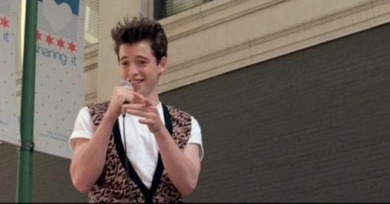
Are we merely “diaper dandies” (thanks, David Poland!) rattling sabers to grab the attention of the establishment? Or is there something to the way we grew up with movies that results in a different way of looking at them?
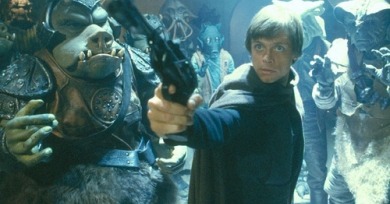
For a child aged five or six, the Rebel Alliance’s cascading near-failures turned miraculously into grand success was the perfect agent of cinematic wish fulfillment—a narrative culminating in total satisfaction with loose ends firmly tied in a fantastic Endor hoedown.

Applying the generic “masterpiece” tag to any of the decidedly unassuming films of Apichatpong “Joe” Weerasethakul does his work a disservice, as applicable as it may often be.

Love on the Ground’s progression is some stumbling version of art imitating life becoming life imitating art as the play (built on life) bleeds back into the relationships of the new performers
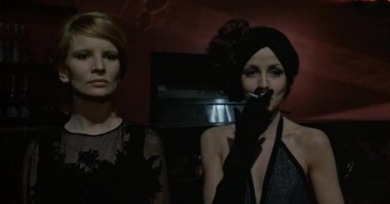
Available in France as double-disc set, Jacques Rivette’s two 1976 features, Duelle and Noroît, represent something of a perfect double-bill, though I’d only recommend it to those well initiated with his work.
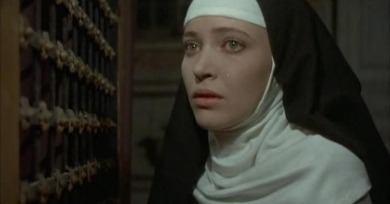
By his second film, The Nun (also delayed, this time held up by censors), Rivette had easily surmounted the problems of his first feature, and delivered not only the first of many great works but one of the most seminal films of the Sixties.
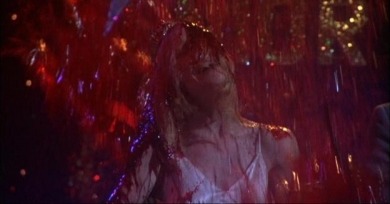
A cinephile’s aesthetic or intellectual identity can be formed by his or her resistance to or alignment with De Palma’s sensibility.
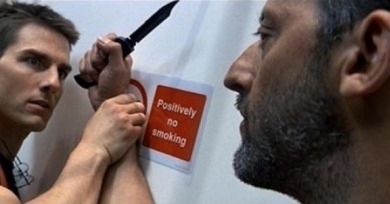
He’d flirted with big action set pieces in Scarface and The Untouchables, but still, Mission: Impossible, with its globetrotting team of spies and extensive digital effects work was certainly a leap.

The late-October appearance of Running with Scissors on screens around the country may well be the most ominous and crass declaration that cinematic Fall ’06 has begun.
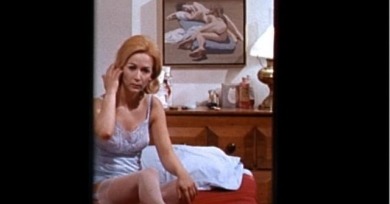
Given that Brian De Palma once openly proclaimed his desire to be the “American Godard,” there’s a certain irony to be gleaned from looking at how history has treated the earliest works of both filmmakers.
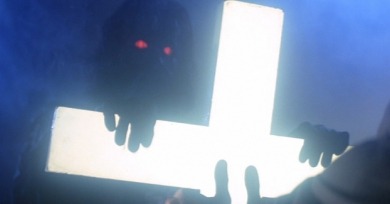
A Few Great Pumpkins
The Fog, Don’t Look Now, Creepshow, The Innocents, The Last Winter, Haxan, Forbidden Planet, The Legend of Sleepy Hollow
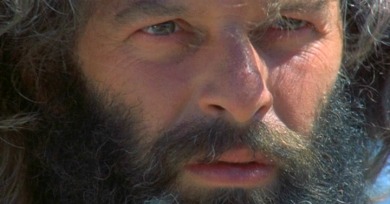
If cinema’s highest, most proper calling is as the ultimate repository for images, dreams, and mad, unkempt visions, then El Topo could well be argued as the most quintessentially cinematic film ever made.