Reviews
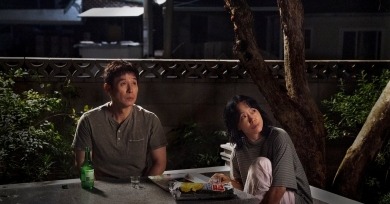
Through its sweeping scope, Possible Love trades the granular analysis of the particulars for a lucid picture of history as a repetitive structure that governs life under capitalism.

At its best, Pickpocket reveals the intricate moral calculus required among the most economically marginalized to survive. The film also acknowledges the small ways in which New Yorkers take care of each other when they really don’t have to.
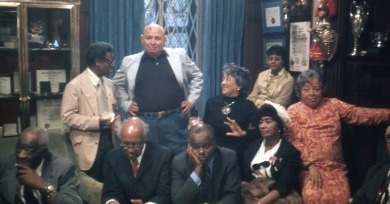
They discuss and debate the impact of the Harlem Renaissance, returning again and again to the relationship of art development and political struggle, as if orbiting around the topic might pull them closer to a definitive truth hovering just out of reach.
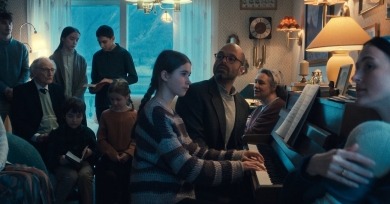
Fjord is not a disappointment for refusing to clarify its political allegiances; it is a disappointment because it is a limp and unconvincing oversimplification of a complex subject.
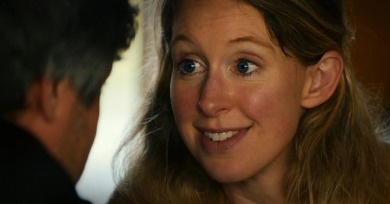
With Fielder as our guide through these choppy waters, this extraordinary film challenges the notion of objectivity in documentary—but it also dismantles common notions of subjectivity, confronting us, per Maya Deren, with the innocent arrogance of an objective fact.
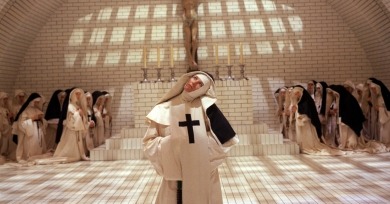
Russell tackles the material in his customary style, which got up to speed in The Music Lovers and would be sustained in all but one (Savage Messiah) of the seven films he directed in an astonishing run in the 1970s, when British cinema was all but moribund.
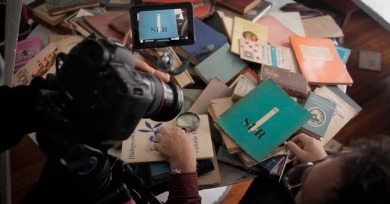
If in the end, Life of Jorges Luis Borges scans as a quite lovable, occasionally frustrating, oddity/odyssey, this is due to the ever-present wit of the director, his adeptness at deflating pretension and the open-armed invitation he gives his viewers to peek into the conditions of the film’s making.

Radu Jude intercuts play rehearsals with scenes of her life as a nanny and maid and video footage that her daughter sends her from Romania. This theater performance in period costume surreally exaggerates the exploitation of her actual life while also bringing out its camp dynamics.

Mining the landscape for all its symbolic worth, this snow-swept western charts the irreparable collapse of a sequestered family, and of the brittle ideals that can no longer keep them frozen in place.
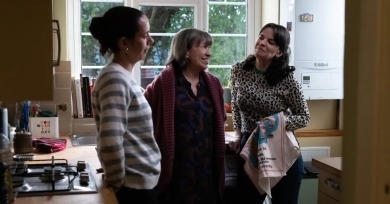
From film to film, and maybe most of all in Tender Loving Care, the faces and bodies of his actors remain staggeringly, beautifully ordinary.

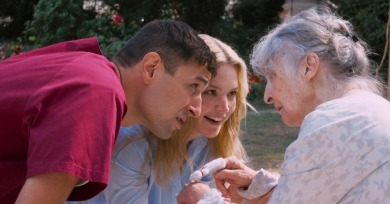
The film engages with the virtuous imperative for adequate emotional and physical medical care and the systemic impossibility of capitalist societies to realize it. As a moral fulcrum it is strong, as a dramatic one it’s fragile.

9 Temples to Heaven spins off from the road-trip genre, delivering a meditative family drama in the process. The central characters’ journey becomes a microcosm of modern Thai society.
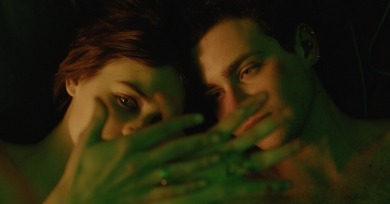
This second collaboration between married director Isabelle Stever and screenwriter Anna Melikova turns the Ukrainian home front of the Russian invasion into a crucible of daunting choices for a transgender man.