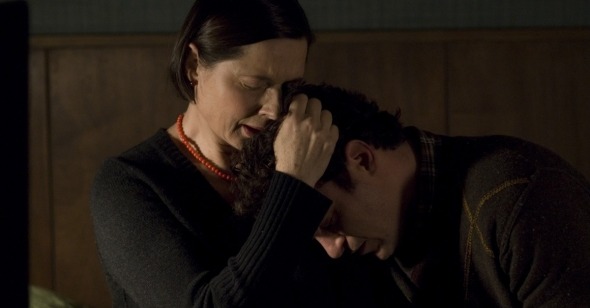
Why doesn't the film world talk more about James Gray? For those of us who care about the state of American cinema, there has been a disconcerting trend for decades: every few years, Gray, among our most unwaveringly classical craftsmen, releases a deeply felt, exquisitely composed drama authentic in milieu and meaning—critics largely swoon, audiences mostly shrug.
The reasons for this are manifold: our film culture has increasingly trudged toward awards-season metrics as barometers of quality for prestige films, studios no longer fund or put advertising dollars behind mid-budget "adult" dramas, smaller distributors and publicists don't often have the budgets or stamina to keep their less flashy films in the public eye when there is so much competition... Gray's movies, for all their quality and acclaim, tend to get lost in the shuffle. They exist comfortably and defiantly outside of trends, receiving polite applause while festival flash-in-the-pans reap awards. Yet the artistry is undeniable, his characters' simmering undercurrents of emotion haunting years and years down the line: these are films that echo the very best of what homegrown, narrative-driven American cinema has always been—an evocation of fundamental truths about the national psyche and how they are reflected in the personal. Has there been a better film about the Trump era than Armageddon Time, set counterintuitively in 1980?
Upon the release of his superb Paper Tiger, a wrenchingly personal crime drama based on his own experiences growing up in Queens in the eighties, we have decided to take a look back at the career of James Gray. Gloomy, pragmatic, yet never cynical, his films are often about that least sellable yet central human conundrum: our capacity for and drive towards love, and how this is often thwarted by our needs for survival in a capitalist society. Recalling seventies cinema while refusing nostalgia, his films seem to emerge from the shadows of our communal cinematic past while also commenting on our shared present. With a mix of brand new and updated essays, James Gray: Twilight Zone pays tribute to an essential filmmaker whose films have persisted while so many modish trend-setters have faded into deserved obscurity.